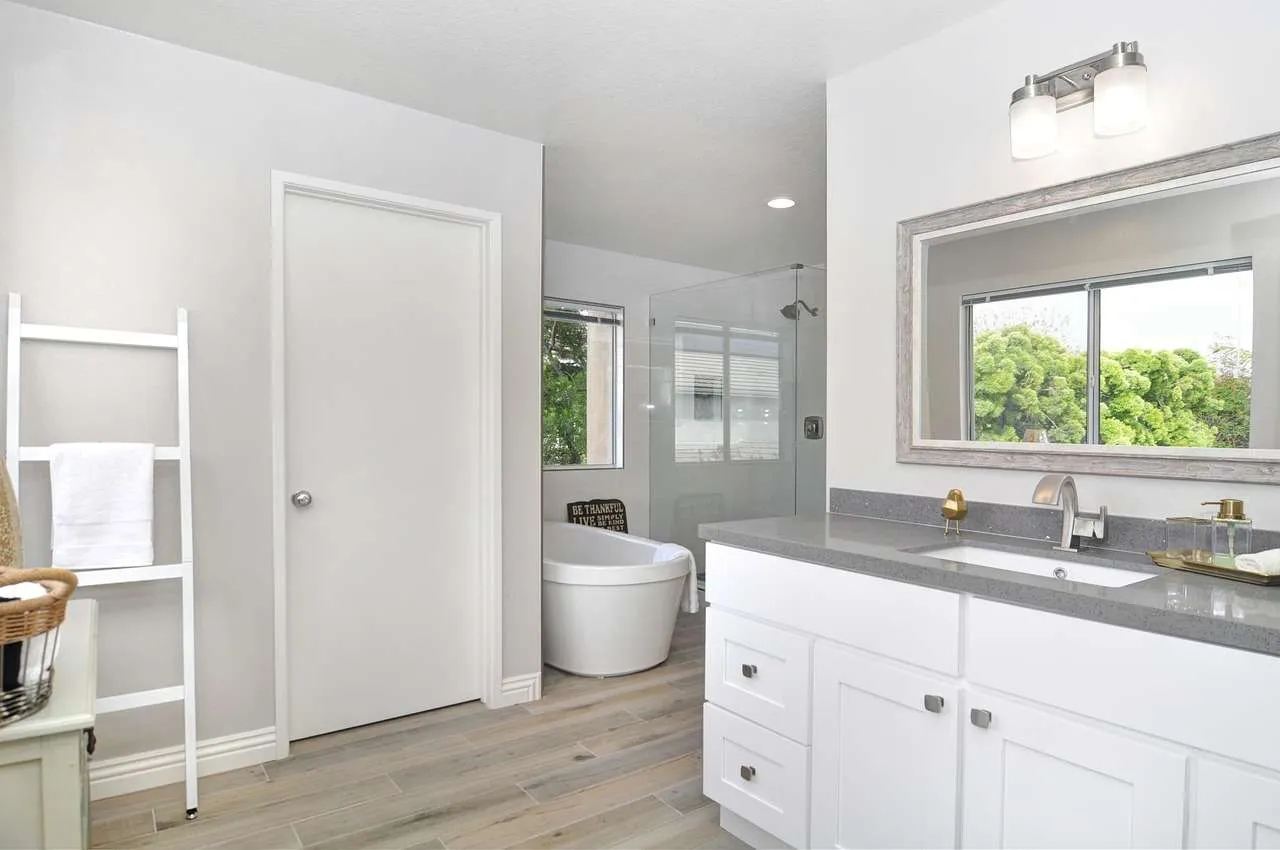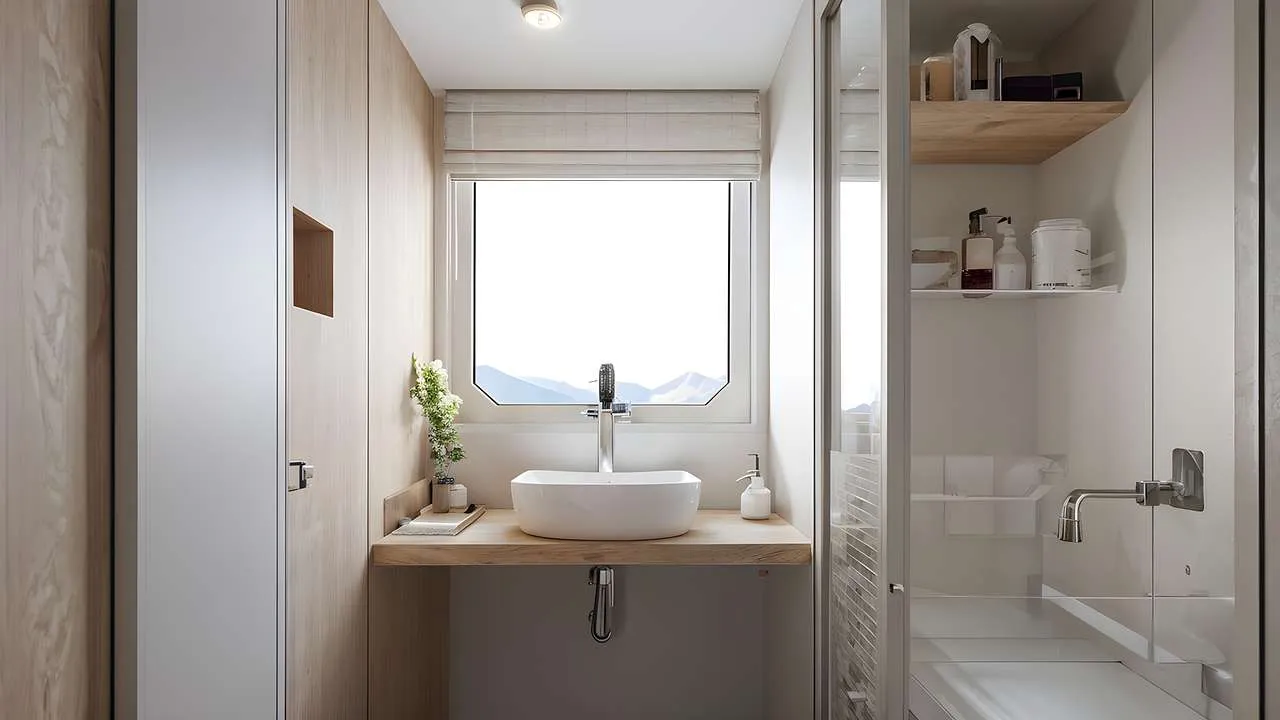
Small bathrooms demand thoughtful design. With limited square footage, every element must earn its place. This guide provides expert, actionable small bathroom ideas that improve function, perception of space and daily comfort, while remaining durable and easy to maintain. By following proven design principles used by professionals, you can create a room that feels larger and operates more efficiently.
Plan and Layout for Small Bathrooms
Start with a clear plan. Measure width, depth, door swing and plumbing lines. Favor a single, open line of sight and avoid crowding fixtures. If possible, swap a swinging door for a pocket or barn door to reclaim floor space and improve traffic flow. Create zones for toilet, sink and shower to reduce overlaps and make cleaning simpler. For rental or resale, consult licensed professionals before making major moves.
- Choose a layout that keeps the toilet and sink on one side of the room to create a visual corridor.
- Place the shower or tub where it can be seen to visually extend the room with a glass enclosure.
- Consider a pocket door or a compact single door to minimize clearance required to open.
Color and Lighting
Light, neutral colors expand perception and reflections help spaces feel airier. Use glossy or reflective surfaces such as porcelain tiles, glass shelves and mirrored cabinets to bounce light. Layer lighting with a bright ambient source plus task lighting at the mirror and a subtle accent light to add depth. Minimal, cohesive color schemes prevent visual clutter, supporting a calm, spa-like feel while still looking polished and professional.
Space-Saving Fixtures
Choose fixtures designed for compact spaces. Wall hung sinks and toilets free floor area, while slim pedestal or wall mounted options reduce bulk. A 24 to 36 inch shower enclosure with clear glass can dramatically open the room visually. If you must combine a tub and shower, opt for a shallow, curved corner tub or a tub at the far end with a glass enclosure. Always verify local codes and structural requirements before installation.
Storage and Organization
In a small bath, vertical storage is king. Recessed niches in the shower wall, a shallow medicine cabinet and tall, narrow storage units maximize capacity without crowding the floor. Use shelves above the doorway or a tall linen cabinet if ceiling height allows. Clear bins, labeled baskets and soft close drawers keep essentials organized and accessible while maintaining a tidy, uncluttered look.
Shower and Bath Options
Frameless glass showers create a sense of openness and are easier to clean around. A curved shower rod or sliding doors can save space and reduce splash area. If a bath is desired, select a compact or corner tub to preserve floor space. For accessibility and safety, consider a low threshold walk-in shower with non slip decking and a built-in shower niche for toiletries.
Materials Finishes and Maintenance
Durable, moisture resistant materials matter in every small bathroom. Porcelain or ceramic tiles, quartz countertops and solid surface backsplashes resist humidity and wear well over time. Choose large format tiles to reduce grout lines and use a sealant schedule to minimize staining. Ventilation is critical; an efficient exhaust fan prevents mold and keeps finishes looking fresh. Select finishes that tolerate humidity and maintain their appearance with minimal upkeep.
Real World Examples and Quick Comparison
Below is a quick comparison of common small bathroom fixtures to help you choose based on space and lifestyle.
| Option | Space Impact | Pros | Cons |
|---|---|---|---|
| Wall-hung sink | Maximizes legroom | Cleaner lines; easier cleaning | More complex installation |
| Compact toilet | Slim profile | Better space efficiency | Less storage behind tank |
| Frameless glass shower | Feels larger | Water containment is good; stylish | Requires careful maintenance |
| Corner bathtub | Uses corner space | Bath option in small rooms | May reduce shower area |
These options can be mixed and matched based on your room’s exact geometry, plumbing constraints and budget. A professional designer can help confirm load bearing, venting needs and tile layouts that boost both aesthetics and durability.
Conclusion, committing to thoughtful layout, high quality fixtures and durable finishes yields a small bathroom that feels larger, operates smoothly and remains easy to maintain for years to come. Even with limited space, smart choices empower you to enjoy a bathroom that functions at a high level while looking polished and inviting.
Summary: This article presented a practical framework for transforming a compact bathroom with effective planning, light and color strategies, space saving fixtures, clever storage, and durable materials. By applying these small bathroom ideas, you can achieve a room that is both functional and visually calm, delivering everyday comfort and lasting value.